
Nagaland, known as the Land of Festivals, is a culturally vibrant and scenically stunning state in northeastern India. Home to more than a dozen distinct tribes, each with its own traditions, languages, and customs, Nagaland offers travelers an immersive experience into tribal life, rich history, breathtaking landscapes, and unique celebrations.
With lush hills, rolling valleys, traditional villages, and lively festivals, Nagaland appeals to explorers who love culture, adventure, and nature off the beaten path.
Why Visit Nagaland?
Nagaland stands out for its tribal diversity and distinctive cultural heritage. The state brings together a tapestry of customs, folklore, music, dance, and handicrafts that celebrate a way of life shaped by centuries of ancestral tradition. Known for its warm hospitality and deep-rooted community values, Nagaland makes visitors feel connected and welcomed.
Where to Start Your Trip
Dimapur — Gateway to the State
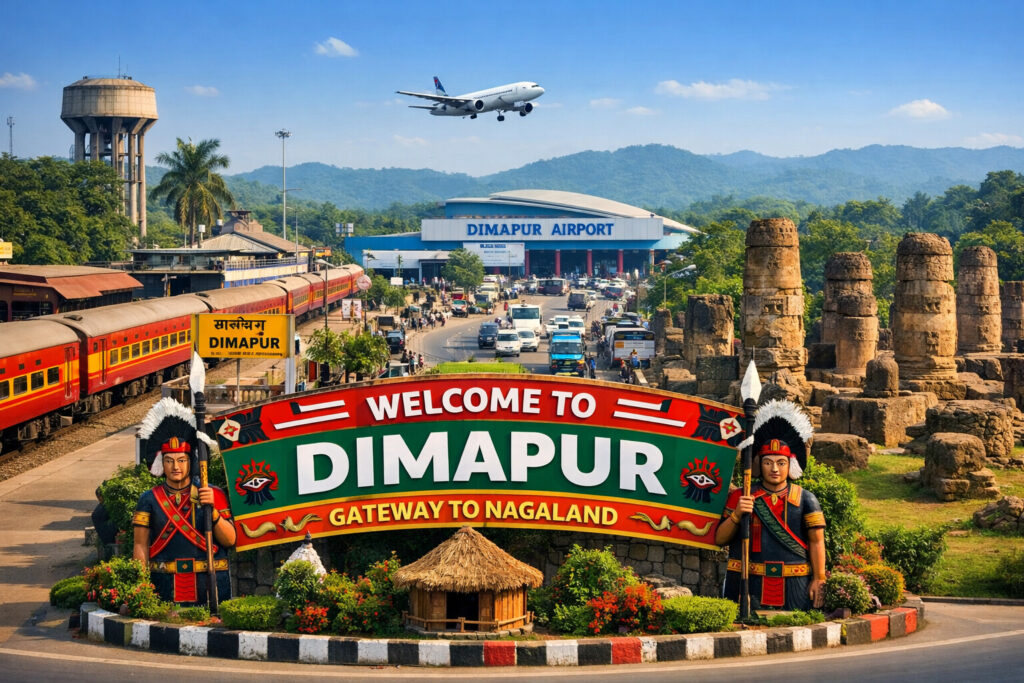
Dimapur is often the first stop for travelers entering Nagaland. It is the busiest and most urbanized area in the state, serving as a transport hub with good road connections to the rest of Nagaland. Here, you can explore ancient ruins that reflect the region’s historical depth, enjoy lively markets, and see the energetic pace of everyday life.
Kohima — The Capital of Culture
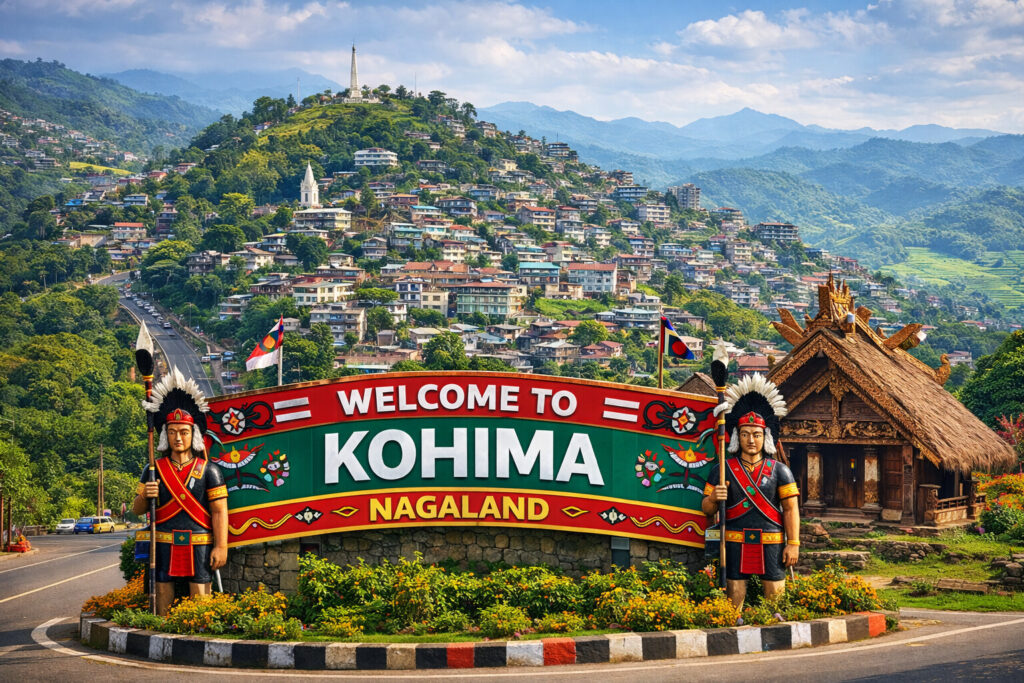
Kohima, Nagaland’s capital, is perched amidst scenic hills and holds strong historical and cultural significance. It’s a gateway to many attractions, heritage sites, and festivals. The city is also associated with significant moments from World War II, which are reflected in local memorials and museums.
Culture and Traditions
Nagaland’s identity is shaped by its tribal heritage. The state is home to numerous tribes such as the Angami, Ao, Konyak, Chakhesang, Lotha, and Sumi, each with unique customs, languages, and artistic traditions. Traditional morungs — community houses used for gatherings and celebrations — are still found in many villages and serve as cultural hubs.
Visitors can witness this diversity not just in everyday life but also through local art, music, and craftsmanship. Handwoven shawls, intricate beadwork, wood carvings, bamboo crafts, and traditional attire reflect the state’s artistic excellence.
Food in Nagaland is equally distinctive, with local dishes that showcase local ingredients, flavours, and cooking practices. Tribal cuisine often features fermented foods, smoked meats, unique leafy greens, and local rice wines.
Must-Visit Attractions
Hornbill Festival
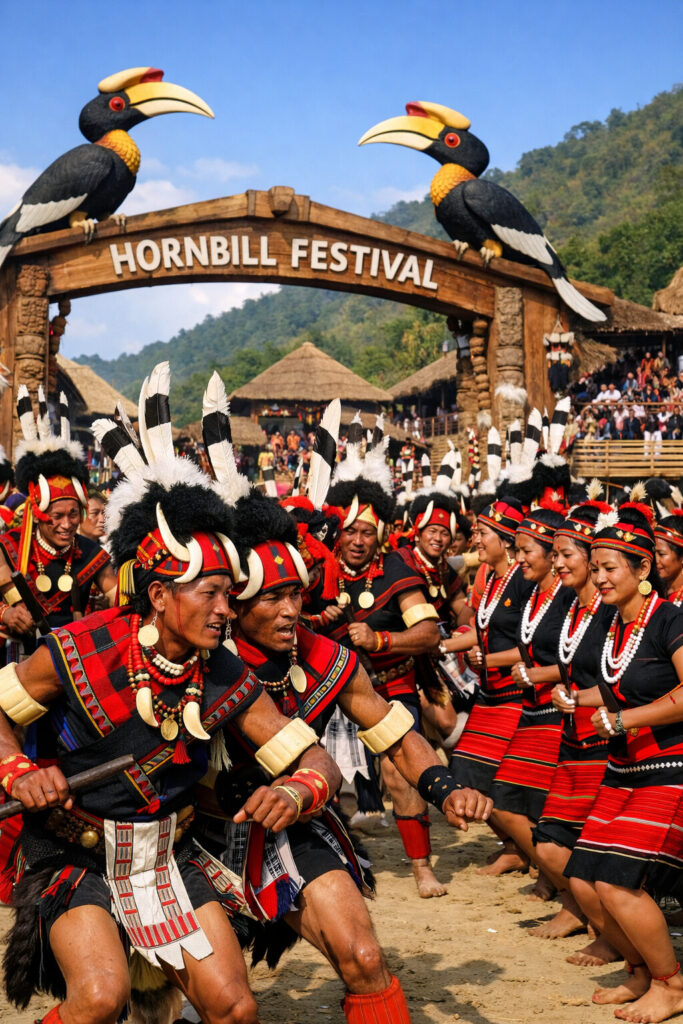
The Hornbill Festival is Nagaland’s most celebrated cultural event, taking place every December. Often called the Festival of Festivals, it brings together all tribal groups to showcase their customs through music, dance, traditional games, fashion parades, and artisan exhibitions. The festival provides a rare chance to witness indigenous sports, storytelling, cultural performances, and local cuisine in one grand celebration.
Kisama Heritage Village
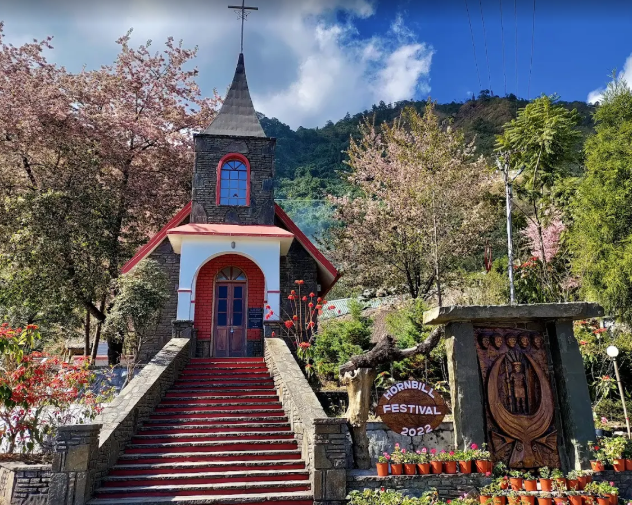
Situated near Kohima, the Kisama Heritage Village is a living repository of Naga culture. It features traditional tribal homes, cultural exhibits, and serves as the main venue for the Hornbill Festival. Walking through the village offers insight into rural life and tribal architectures that tell stories of resilience and tradition.
Dzukou Valley
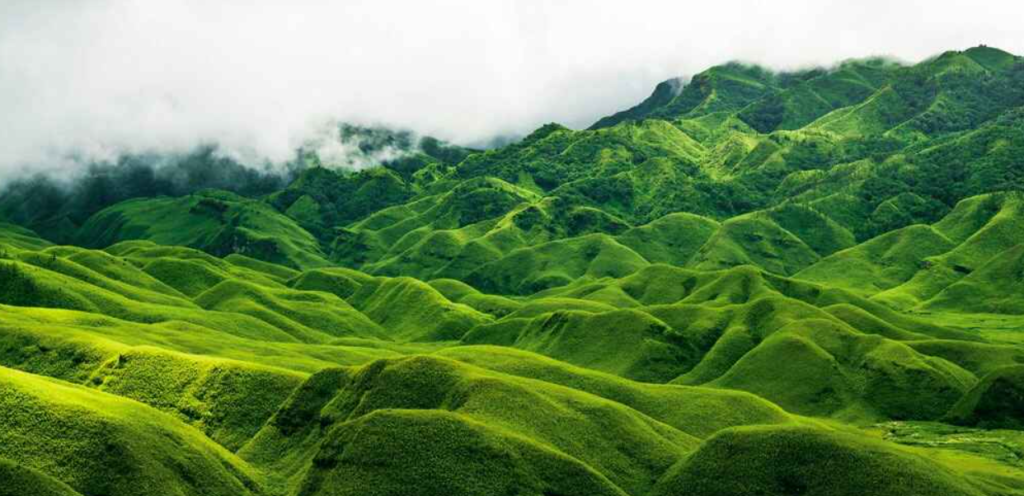
For nature lovers and trekkers, Dzukou Valley is a must-see destination. Known as the Valley of Flowers, this picturesque valley features a vast expanse of colourful wildflowers, lush meadows, and misty hills. Treks through the valley vary in difficulty but reward visitors with panoramic views and unforgettable experiences in the heart of nature.
Natural Attractions and Hill Stations
Nagaland’s landscape is a mix of verdant hills, scenic forests, waterfalls, and tranquil streams. Trekking spots like Japfu Peak, serene water bodies, and panoramic ridges offer adventure and solitude. Birdwatching, especially during the migration of thousands of falcons every autumn near certain reservoirs, is a special highlight for wildlife enthusiasts.
Pulie Badze Wildlife Sanctuary and Other Reserves
Protected areas like Pulie Badze Wildlife Sanctuary are important for biodiversity and nature exploration. These reserves are home to unique bird species, including Nagaland’s state bird, and provide walking trails, viewpoints, and picnic spots that bring you closer to the region’s wildlife and flora.
Nagaland Zoological Park and Museums
The state’s zoological park, located near Dimapur, houses a range of animal species including hornbills, gibbons, and tigers. A visit offers a chance to see some of the region’s wildlife up close. Cultural and tribal artifacts, historical exhibits, and ethnographic collections in local museums provide deeper context into Naga heritage and history.
Offbeat Villages and Tribal Experiences
For travelers seeking authentic cultural immersion, visiting tribal villages is a rewarding experience. Villages like Khonoma — India’s first green village — offer insights into sustainable living, terraced farming, and tribal traditions preserved across generations. Other villages show distinctive tribal lifestyles, architecture, and community rituals that are rare elsewhere.
Some belong to tribes known for specific cultural traits such as elaborate face tattoos, ceremonial practices, distinctive crafts, storytelling traditions, or seasonal festivals. Interacting with villagers, trying local food and drinks, and participating in village routines offer a deeper appreciation of traditional life.
Practical Tips for Travelers
Permits and Entry
To preserve the culture and protect tribal communities, visitors (including Indian citizens from outside Nagaland) must obtain a special travel permit before entering the state. This helps ensure respectful and responsible tourism in Nagaland’s sensitive areas.
Best Time to Visit
While Nagaland can be visited year-round, the most popular period for travelers is between October and March. During these months, the weather is pleasant with cooler temperatures, making outdoor exploration more comfortable. December is especially lively due to the Hornbill Festival.
Getting Around
Nagaland can be accessed by road from neighbouring regions and also has an airport in the main city. Once there, local buses, shared taxis, and private cabs connect major towns and attractions. Rural areas and trekking locations may require guided transport or local guides.
Respect Local Customs
Nagaland’s tribal communities are deeply respectful and rooted in tradition. Dress modestly, ask permission before photographing individuals, and observe local customs when attending cultural events. Learning a few words or greeting customs helps create friendly interactions.
Final Thoughts
Nagaland is a destination where culture, nature, and heritage converge in vibrant harmony. Whether you’re drawn by the colourful festivals, tribal knowledge, lush landscapes, or offbeat adventures, the state offers rich travel experiences far beyond typical routes. Every tribe has a story, every landscape a unique charm, and every festival a reason to celebrate life and tradition.
A journey to Nagaland isn’t just a vacation — it’s an exploration of an ancient and living culture that continues to thrive in the hills of the Northeast.
Frequently Asked Questions (FAQs)
1. Why is Nagaland known as the Land of Festivals?
Nagaland is called the Land of Festivals because each of its indigenous tribes celebrates unique festivals throughout the year, showcasing vibrant traditions, music, dance, and rituals rooted in tribal culture.
2. What are the major festivals celebrated in Nagaland?
Some of the most popular festivals include the Hornbill Festival, Sekrenyi, Moatsu, Tokhu Emong, and Aoling, each associated with different Naga tribes.
3. What is the best time to visit Nagaland?
The best time to visit Nagaland is from October to April, when the weather is pleasant and major cultural festivals like the Hornbill Festival take place.
4. Is Nagaland safe for tourists?
Yes, Nagaland is generally safe for tourists. The locals are welcoming, and tourism infrastructure has improved significantly in recent years.
5. Do tourists need a permit to visit Nagaland?
Indian tourists require an Inner Line Permit (ILP) to enter Nagaland, while foreign nationals need a Protected Area Permit (PAP).
6. What are the top tourist attractions in Nagaland?
Major attractions include Kohima, Dimapur, Dzukou Valley, Khonoma Village, Mokokchung, Mon, and the Japfu Peak.
7. What makes Nagaland unique compared to other Indian states?
Nagaland stands out for its rich tribal heritage, traditional village life, colorful festivals, scenic landscapes, and deep-rooted cultural identity.
8. What kind of food can travelers expect in Nagaland?
Nagaland cuisine features smoked meats, bamboo shoots, fermented foods, and spicy flavors, with popular dishes like smoked pork, axone, and Naga king chili recipes.
9. How many days are enough to explore Nagaland?
A 5 to 7-day trip is ideal to explore major destinations, experience tribal culture, attend festivals, and enjoy Nagaland’s natural beauty.
10. How can one reach Nagaland easily?
Nagaland can be reached via Dimapur Airport, which is well connected to major Indian cities, along with rail and road connectivity from nearby states.