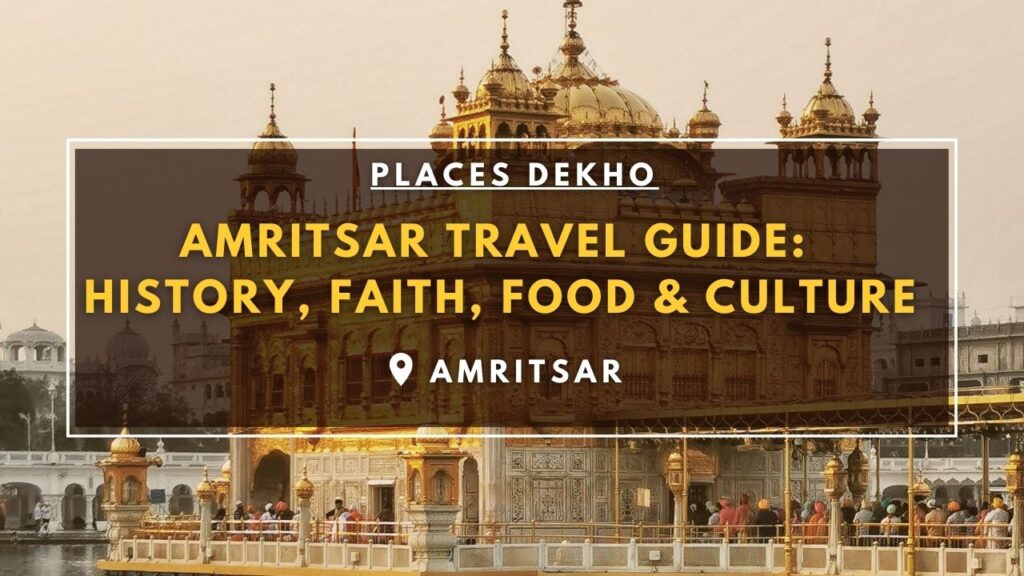
Amritsar is one of India’s most meaningful and culturally rich cities. Located in Punjab, it is best known as the spiritual center of Sikhism, but the city offers much more than religious significance. From powerful historical landmarks to vibrant markets and unforgettable food, Amritsar delivers a deeply immersive travel experience.
Whether you’re visiting for faith, history, or local culture, Amritsar leaves a lasting impression on every traveler.
How to Reach Amritsar
Amritsar is well connected by air, train, and road, making it easy to reach from major cities in India.
- By Air: The city has its own international airport with regular domestic flights. From the airport, taxis and local transport are easily available to reach hotels and tourist areas.
- By Train: Amritsar Junction is a major railway station with frequent connections from Delhi and other northern cities. High-speed and overnight trains make train travel a popular option.
- By Road: Well-maintained highways and regular bus services connect Amritsar with nearby cities and states. Private taxis and self-drive options are also available.
Within the city, auto rickshaws, cycle rickshaws, and taxis are commonly used for short distances.
Ideal Duration for a Visit
A two-day trip is enough to see the main attractions, including the Golden Temple, Jallianwala Bagh, and Wagah Border. If you want to explore at a relaxed pace or include nearby experiences, three to four days is ideal.
Where to Stay in Amritsar
Accommodation options suit every budget and travel style.
- Old City Area: Budget hotels and guesthouses close to the Golden Temple are convenient for sightseeing and experiencing local life.
- New City Areas: These areas offer modern hotels with better amenities and quieter surroundings, though they may require short travel to reach major attractions.
Top Places to Visit in Amritsar
Golden Temple (Harmandir Sahib)
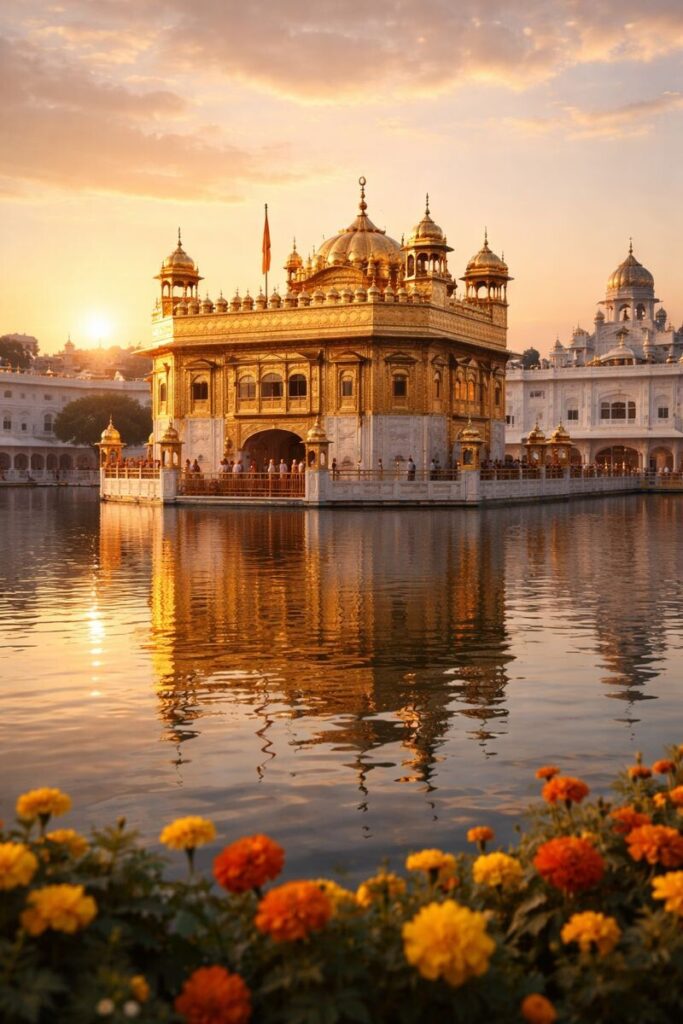
The Golden Temple is the heart of Amritsar and the most important religious site for Sikhs. Surrounded by a sacred water tank, the gold-covered shrine symbolizes equality, humility, and devotion.
Visitors from all religions are welcome. The peaceful atmosphere, devotional music, and reflection of the temple in the water create a truly spiritual experience. The community kitchen, known as the langar, serves free meals to thousands of people every day and represents the spirit of selfless service.
Visitors must remove shoes, cover their heads, and dress modestly before entering.
Jallianwala Bagh
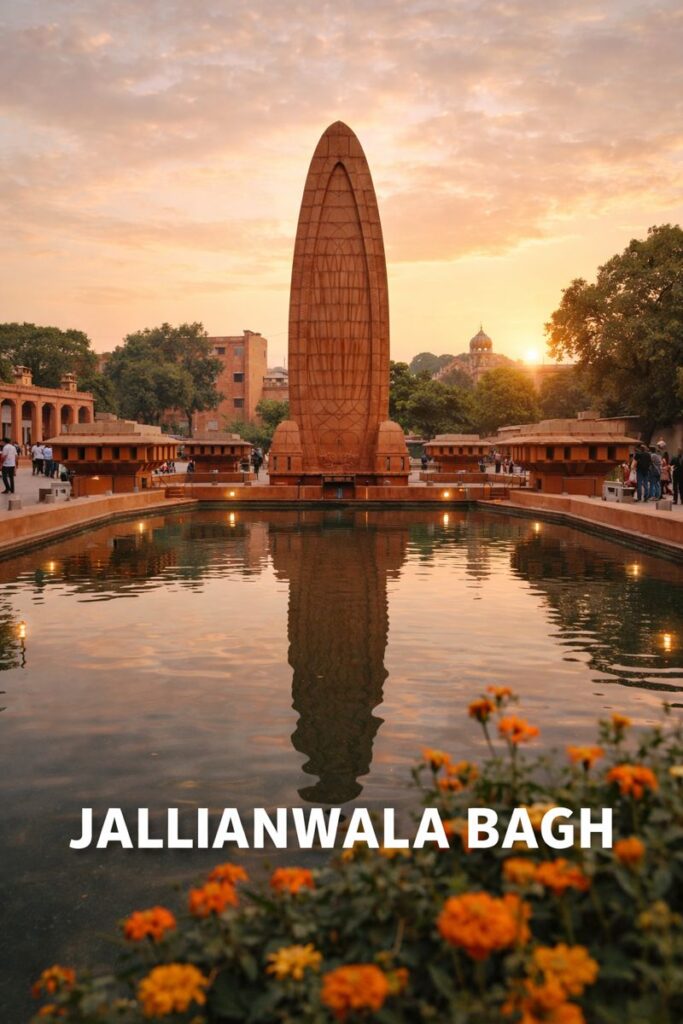
Located close to the Golden Temple, Jallianwala Bagh is a memorial garden that marks a tragic event in Indian history. In 1919, peaceful civilians were fired upon during a public gathering, resulting in the loss of hundreds of lives.
Today, the site preserves bullet marks and a memorial flame, serving as a reminder of sacrifice and resilience during India’s freedom struggle.
Partition Museum
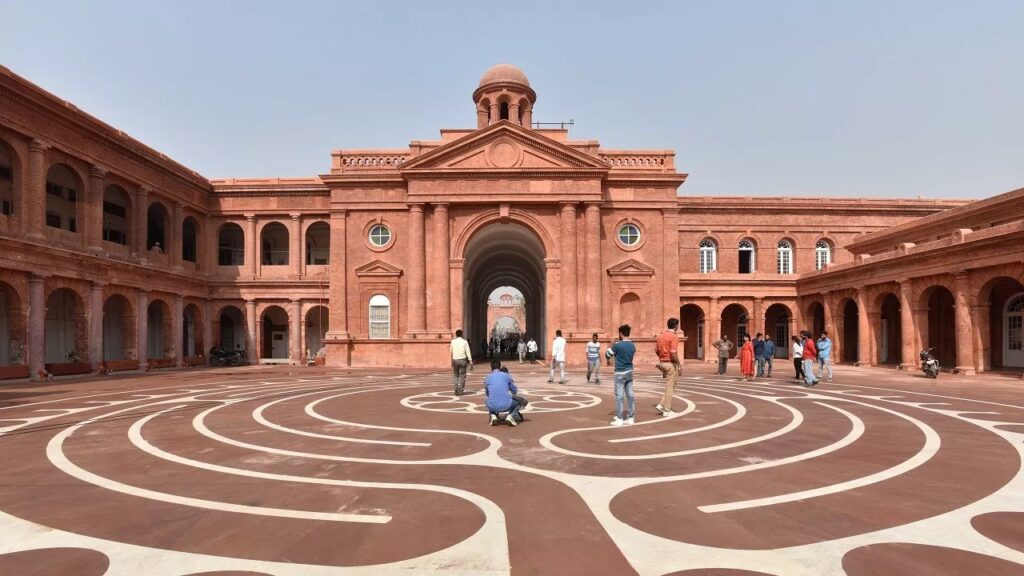
The Partition Museum documents the human stories behind the division of India in 1947. Through photographs, letters, personal belongings, and recorded memories, the museum highlights the pain, displacement, and survival of millions of people.
It is an emotional and informative place that helps visitors understand the impact of partition on Punjab and the nation as a whole.
Amritsar Old City & Markets
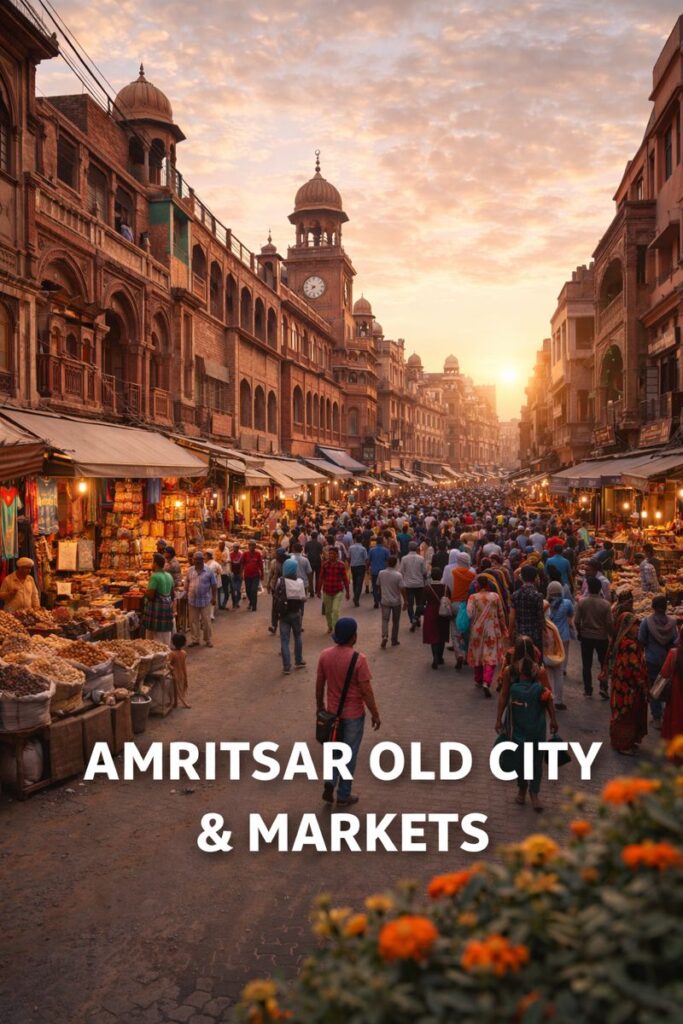
The old city is full of narrow lanes, bustling bazaars, and everyday local life. Walking through these streets gives you a glimpse of traditional Amritsar.
Popular markets offer:
- Punjabi suits and fabrics
- Phulkari embroidery
- Juttis (traditional footwear)
- Spices and souvenirs
Street food stalls, sweet shops, and tea vendors are found everywhere, making the area lively throughout the day.
Wagah Border Ceremony
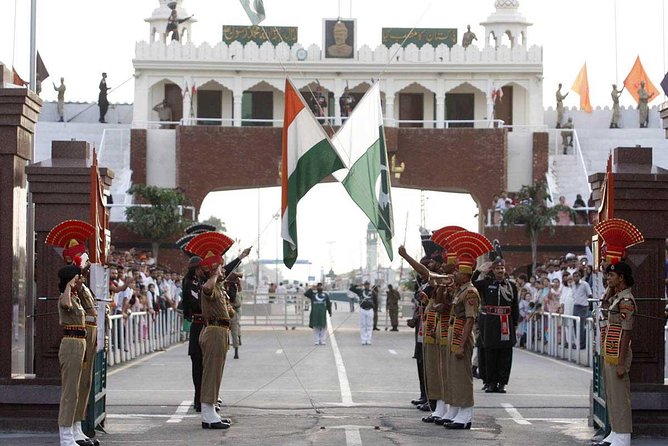
The Wagah Border, located a short drive from the city, hosts a daily evening ceremony at the India-Pakistan border. The event includes synchronized marching, patriotic chants, and the lowering of national flags by soldiers from both sides.
The ceremony is energetic and symbolic, attracting large crowds. Arriving early is recommended to get good seating.
Gobindgarh Fort
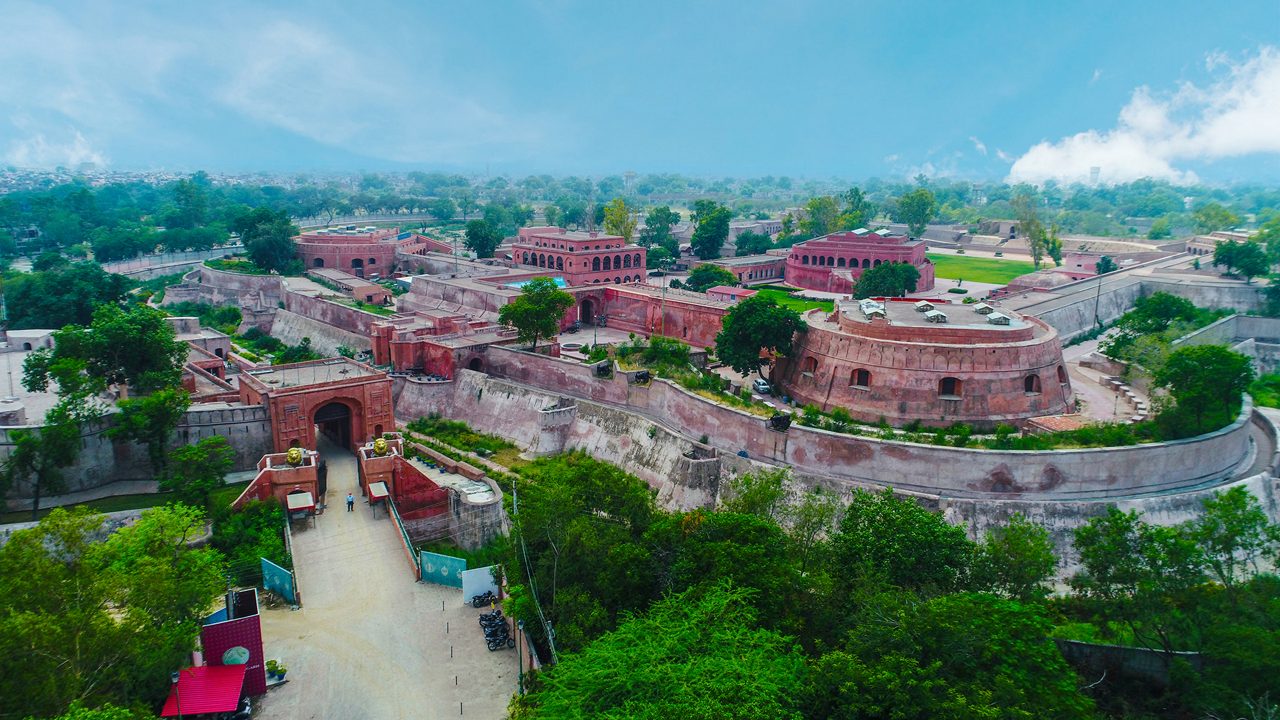
Gobindgarh Fort is a historic fort that has been transformed into a cultural and entertainment space. Inside, visitors can explore museums, exhibitions, and performances that showcase Punjab’s history and traditions.
Evenings are especially engaging, with light shows, cultural programs, and local food options.
Other Important Attractions
- Heritage Street: A beautifully designed pedestrian walkway leading toward the Golden Temple, lined with shops and traditional architecture.
- Gurdwara Baba Atal Rai: A tall and unique Sikh shrine dedicated to Baba Atal Rai, known for its architectural design.
- Gurdwara Shaheed Ganj Sahib: A historically important shrine commemorating Sikh martyrdom.
- Traditional Sarais: Old resting places built for pilgrims, reflecting the city’s historical hospitality culture.
Food in Amritsar
Amritsar is famous for its rich and flavorful Punjabi cuisine. Some must-try items include:
- Amritsari kulcha with chole
- Creamy dal makhani
- Butter-loaded parathas
- Lassi served in tall glasses
- Street snacks and traditional sweets
Food stalls and small eateries near the old city are especially popular for authentic flavors.
Best Time to Visit
The most comfortable time to visit Amritsar is between October and March, when the weather is cooler and suitable for sightseeing. Summers can be very hot, while winters are pleasant but may be foggy in the mornings.
Travel Tips for Visitors
- Wear comfortable footwear, as walking is common in old city areas
- Respect religious customs at gurudwaras
- Expect crowds at popular sites, especially during weekends and festivals
- Carry water and sun protection during warmer months
Final Thoughts
Amritsar is more than just a destination—it’s an experience shaped by faith, history, resilience, and warmth. From the serenity of the Golden Temple to the emotional depth of the Partition Museum and the lively energy of its markets, the city offers something meaningful for every traveler.
A visit to Amritsar leaves you with powerful memories, rich flavors, and a deeper understanding of India’s cultural soul.