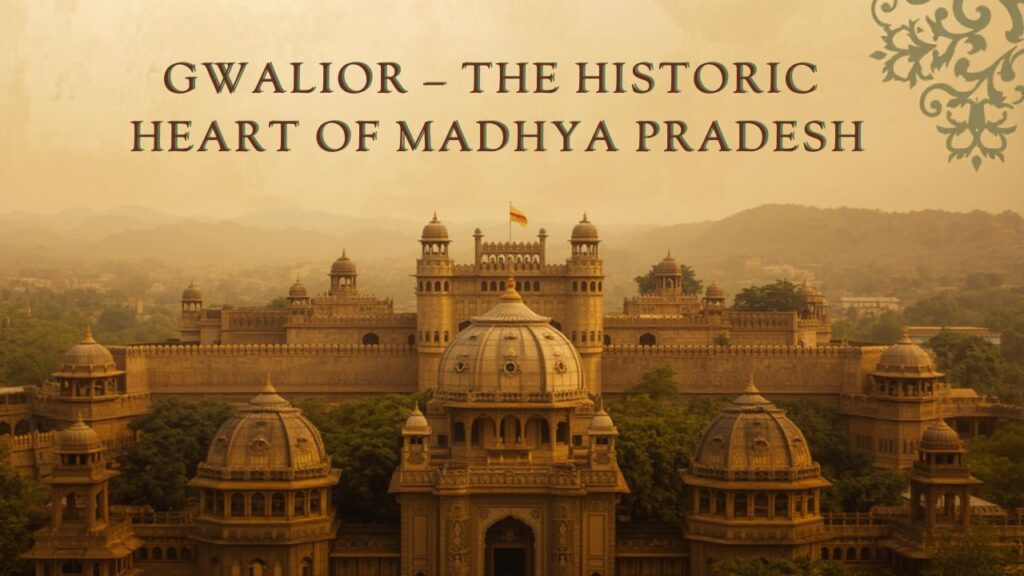
Gwalior is one of the most prominent heritage cities of Madhya Pradesh, known for its rich history, majestic architecture, and deep cultural roots. Situated in the northern part of the state, the city has witnessed the rise and fall of several powerful dynasties, each leaving behind remarkable monuments and traditions.
With its grand fort rising above the city, ancient temples, royal palaces, and strong connection to Indian classical music, Gwalior offers visitors a perfect blend of history, culture, and local life.
Historical Significance of Gwalior
Gwalior has been an important center of power for centuries. Its strategic location made it a prized possession for many rulers, including Rajputs, Mughals, Marathas, and the Scindias. The city’s monuments reflect this layered history through their architectural styles and artistic details.
Over time, Gwalior evolved into a cultural and administrative hub, preserving its heritage while growing into a modern city.
Gwalior Fort – The Pride of the City
Dominating the skyline, Gwalior Fort is one of the most magnificent forts in India. Built on a steep rocky hill, it is often described as an architectural marvel due to its scale, strength, and beauty. The fort complex houses several important structures that showcase centuries of craftsmanship.
Key Attractions Inside the Fort
- Man Mandir Palace
A beautifully designed palace known for its colorful tile work, detailed carvings, and historic chambers. - Gujari Mahal
Built for a royal consort, this structure now serves as a museum displaying sculptures, artifacts, and archaeological findings. - Sas-Bahu Temples
Twin temples famous for their intricate stone carvings and elegant design. - Teli Ka Mandir
A unique temple that stands out for its tall structure and fusion of architectural styles. - Gopachal Parvat
A significant site featuring large rock-cut Jain sculptures carved into the hillsides.
Jai Vilas Palace
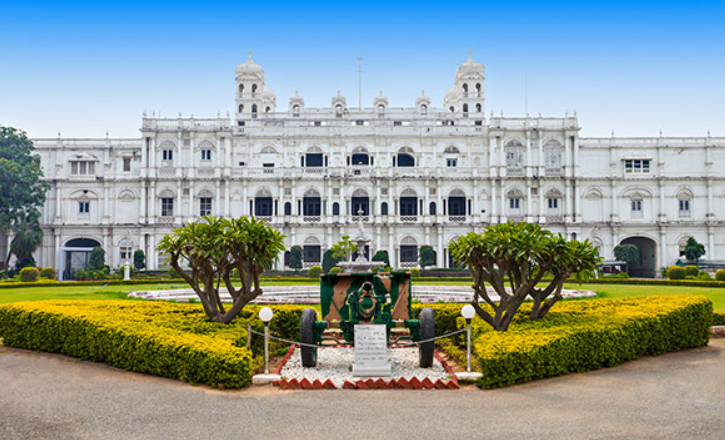
Jai Vilas Palace is a stunning example of royal grandeur built during the Scindia rule. Designed with European influence, the palace reflects luxury through its chandeliers, grand halls, furniture, and royal memorabilia. A portion of the palace functions as a museum, offering visitors a glimpse into the lifestyle of the former royal family.
Moti Mahal
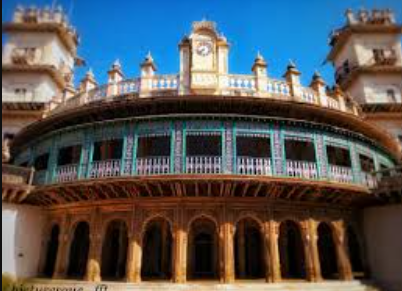
Moti Mahal is another important heritage building in Gwalior, known for its decorative interiors, arches, and artistic wall paintings. Surrounded by gardens, it once served administrative and ceremonial purposes and remains an important cultural landmark.
Sun Temple
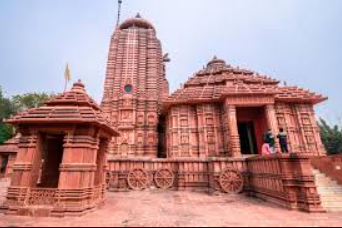
The Sun Temple is one of the most visually striking religious sites in the city. Built with red sandstone and white marble, the temple is dedicated to the Sun God and is inspired by ancient temple architecture. Its peaceful surroundings make it a popular place for visitors and devotees alike.
Tombs of Tansen and Muhammad Ghaus
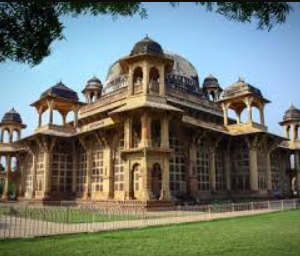
These tombs hold immense cultural and historical importance.
- Tansen’s Tomb honors one of the greatest musicians in Indian history, who was part of Emperor Akbar’s court.
- Muhammad Ghaus’s Tomb reflects Mughal architectural elegance and commemorates a respected Sufi saint.
Every year, music lovers gather here to celebrate classical music traditions during renowned cultural events.
Sarod Ghar – The Music Museum
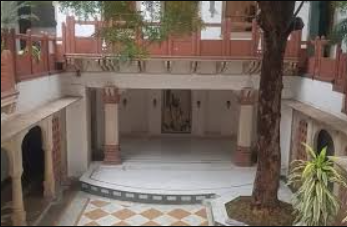
Sarod Ghar is a dedicated museum celebrating Indian classical music, particularly the legacy of the sarod instrument. It houses rare instruments, photographs, and historical records that highlight Gwalior’s deep association with classical music.
Gwalior Zoo
Established in the early twentieth century, the Gwalior Zoo is one of the oldest zoological parks in the region. Spread across landscaped grounds, it is home to a variety of animal species and is a popular spot for families and nature enthusiasts.
Phool Bagh and Memorial Sites
Phool Bagh is a peaceful garden complex with historical importance. It includes statues, libraries, and monuments, including memorials dedicated to prominent national figures. The garden provides a calm environment within the city.
Other notable memorials and chhatris around Gwalior reflect the region’s royal and freedom-struggle history.
Natural Attractions Around Gwalior
Located outside the city, Tigra Dam is a scenic reservoir built on a nearby river. It serves as a popular picnic and leisure destination, especially during monsoon and winter months, offering calm views and boating opportunities.
Culture, Music, and Festivals
Gwalior is globally recognized for its contribution to Indian classical music. The city has nurtured legendary musicians and continues to celebrate this heritage through festivals and cultural gatherings held in historic venues.
Traditional art forms, folk performances, and seasonal fairs add vibrancy to local life and provide visitors with authentic cultural experiences.
Shopping and Local Markets
Gwalior’s markets are lively and colorful, offering a mix of traditional and modern goods. Visitors can shop for:
- Handloom fabrics and textiles
- Leather goods
- Local handicrafts
- Traditional jewelry
- Regional sweets and snacks
The old bazaars are especially popular for experiencing local culture and street food.
Local Cuisine
The city’s food reflects regional flavors and traditions. Popular items include spicy snacks, sweets made from sesame and jaggery, and classic street food. Local eateries and sweet shops are an essential part of the Gwalior experience.
Best Time to Visit Gwalior
The ideal time to visit Gwalior is from October to March, when the weather is pleasant and suitable for sightseeing. Summers can be extremely hot, while winters are comfortable for exploring outdoor attractions.
Travel Tips for Visitors
- Wear comfortable shoes for walking in large historical complexes
- Carry sun protection during daytime sightseeing
- Respect local customs at religious and memorial sites
- Plan sufficient time for the fort and museums
Final Overview
Gwalior is a city where history, architecture, and culture come together beautifully. From its iconic fort and royal palaces to its musical heritage and bustling markets, the city offers a well-rounded travel experience. Whether you’re interested in history, art, spirituality, or local life, Gwalior leaves visitors with lasting memories and a deeper appreciation of India’s rich heritage.
Frequently Asked Questions (FAQs)
1. Why is Gwalior called the historic heart of Madhya Pradesh?
Gwalior is known as the historic heart of Madhya Pradesh due to its rich legacy of dynasties, grand forts, ancient temples, and cultural heritage that dates back over a thousand years.
2. What is Gwalior most famous for?
Gwalior is most famous for the majestic Gwalior Fort, its role in Indian history, classical music heritage, and iconic landmarks like Jai Vilas Palace and Sas Bahu Temples.
3. Which historical places should I visit in Gwalior?
Top historical attractions in Gwalior include Gwalior Fort, Jai Vilas Palace, Man Singh Palace, Teli Ka Mandir, Sas Bahu Temples, and the Tomb of Tansen.
4. What is the best time to visit Gwalior?
The best time to visit Gwalior is from October to March, when the weather is pleasant and ideal for sightseeing and exploring historical monuments.
5. Is Gwalior a good destination for heritage tourism?
Yes, Gwalior is an excellent destination for heritage tourism, offering a blend of architectural marvels, royal history, cultural festivals, and traditional art forms.
6. How many days are enough to explore Gwalior?
A 2 to 3-day trip is sufficient to explore Gwalior’s major historical sites, museums, temples, and local markets comfortably.
7. What is the historical significance of Gwalior Fort?
Gwalior Fort is one of the most formidable forts in India and has been ruled by several dynasties, including the Tomars, Mughals, and Marathas, making it a symbol of power and history.
8. Is Gwalior suitable for family and educational trips?
Yes, Gwalior is ideal for family vacations and educational trips due to its well-preserved monuments, museums, and historical importance.
9. What cultural experiences can tourists enjoy in Gwalior?
Tourists can enjoy classical music events, local festivals, traditional cuisine, handicraft shopping, and heritage walks across historic areas of the city.
10. How can I reach Gwalior easily?
Gwalior is well connected by rail, road, and air, with regular trains, buses, and flights linking it to major cities across India.